My feeble attempt
- Home
- Baitfish/Minnows/Smelts
- Bass/Panfish
- Buzzers - Chironomids - Midges
- Caddis Flies
- Carp Flies
- Do It Yourself
- Dry Flies
- Emergers
- Euro Style Flies
- Feather/Hairwing Streamers
- Foam Flies
- Fore & Aft Flies
- Hairwing Atlantic Salmon Flies
- Nymphs
- Pacific Salmon
- Soft Hackles
- Steelhead Flies
- Step by Step
- Stoneflies
- Tandem Streamers
- Tenkara Flies
- Terrestrials
- Winged Wet Flies
- Wooly Buggers & Worms
- Wet Flies - Bergman
Friday, March 28, 2014
Monday, March 17, 2014
I saw a fly.....
I just read this question on a fly tying forum
I saw a fly recently at Texas Trout fest but don't know the name of it. It had a cylindrical foam body and deer hair head. I think its a Redfish fly but not sure. If anyone has any info, tying instructions or can upload a picture, I'd be indebted to you.
With the advent of the cell phone or point and shoot cameras,
it would solve a lot of this type of questions by just taking a photo of the subject and jotting down the name of it in the notes app.
Friday, February 28, 2014
Biot Wing Cases
Wing cases can be made from just about any kind of feather to synthetic materials.
One natural material that is not always thought about as a wing case material is the BIOT.
Yes, the biot(s) can be used as a wing case.
For smaller flies 1 biot is generally enough. On larger flies you can tie in multiple biots to get the wing case effect.
Biots are less likely to split like feather fiber wing cases
You could even add flash over the biot to make a flashback style wing case
Use different color biots
Use a fluorescent colored biots as a hot spot
Be creative. Experiment.
Thanks for looking
Saturday, February 1, 2014
Fly Tying Thread
Fly tying thread can be confusing for a beginner and experienced tyers alike. I am not going to try and explain the ins and outs of fly tying thread but I will guide you to the following articles to better explain the differences.
http://www.renegadefishers.com/material/thread.html
http://globalflyfisher.com/tiebetter/thread_control/#sp
http://mvff.tripod.com/Reference/Denier.pdf
http://whitetailflytieing.com/thread/
http://northfloridaflyfishing.com/pdf/DeniertoStandarizeTyingThread.pdf
Sunday, January 5, 2014
Tying Tip #19 - Unraveled Materials
Eventually we all get materials that just get unraveled and get stuffed back into a zip lock bag. Here is a couple of ideas to get things back in order.
Clothes Pins
Popsicle sticks
Thanks for looking.
Thursday, January 2, 2014
Sunday, October 13, 2013
Where Should My Fly Be
Wednesday, September 25, 2013
Sunday, September 1, 2013
Materials
I'll be turning 61 in a few weeks, and I have to keep reminding myself to stop buying more materials and to start tying flies with the current supply of materials on hand. I have more tying materials that I will never use up on the remaining time I have left on good old mother Earth. 30+ years of buying can amass quite a collection of fly-tying materials.
Tuesday, August 13, 2013
Tuesday, August 6, 2013
Thursday, July 18, 2013
Friday, June 21, 2013
Getting Buggy
You have all seen the question of how to get rid of bugs in materials on most fly tying forums and there is always various answers to the problem. Here are my simple rules that I have adopted to control or even eliminate bugs in my materials. My results do not infer that your results will be the same.
I try to do my best at avoiding infestation to my other materials and my house.
I don't pick up road kill (illegal to do so in a lot of areas) I let the big birds eat it
I don't want bugs in my microwave or freezer (dead or alive)
Good hackle is a major expense when it comes to tying materials.
I buy Whiting hackle (lesser chance of getting infested)
All hackles stay in original sealed packaging and stored separately in a dedicated plastic box
No hackles sit out on tying desk for days on end. They are promptly returned to original packaging after use.
I don't buy from any local chicken hackle farm. (none around anyway) I don't know whats infected.
I buy hackles at fly shops and never online. I can inspect them for multiple things and bugs is one of them.
I don't use moth balls (too stinky), pest strips or cedar balls/strips.
I add cedar scented moth ball packets to all of my hackle and feather shoe box containers.
I add pieces of clove spice to all of my hackle packages.
I never accept free animal parts from anybody!
45+ years of doing the above and no bugs in my materials or house. I must be doing something right.
Sunday, June 9, 2013
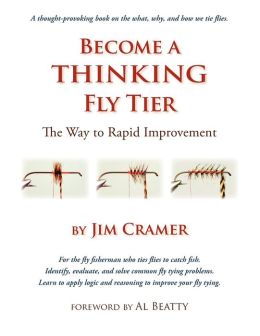
This New Book Should be in Your Library
Labels:
fly tying,
fly tying tips,
fly tying tools
Wednesday, May 29, 2013
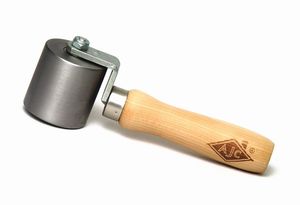
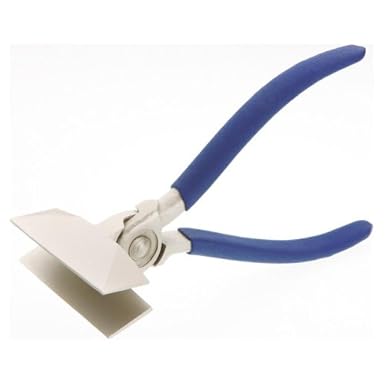
In Need of Flat Lead Wire?
Take your current round lead wire and flatten it with a seam roller
Flat nose pliers
Sheet Metal Pliers
Thanks for looking
Sunday, May 26, 2013
RIT Color Guide for Dyeing Materials
Go to the following link and click on a color for its recipe.
Click in the scroll bar to change colors.
Saturday, May 4, 2013
My thoughts on fly tying kits
Here is MY thought on fly tying kits
I have never bought a kit per se. I enrolled in tying classes and the instructor laid out all of the tools and materials we were going to use for his classes and bought them in the first class.
I think experienced fly tyers have to realize that the materials in fly tying kits are not the highest quality for an experienced fly tyer to tie with but to ME they are good enough for a new tyer to simply use as practice materials. So what if a deer hair patch is a little curled up around the edges, it still can be used. So what if the hackle is not from a $150 neck, it too can still be used. So what if tying kits have materials to tie certain fly patterns, they still can be used.
I'm also sure that an experienced fly tyer could tie some pretty darn good flies from the materials in the kits even with the lower quality materials.
Not all experienced fly tyers have had the opportunity to buy and try every kit that is on the market today and give a reasonable review of each and every one. The answer from the fly tying collective is always is "dont buy a kit"!
And yes, the tying tools in kits are probably not of the highest quality that an experienced fly tyer would use but they are probably workable for a new tyer. Some tools should probably be upgraded as soon as possible or when the tyers budget allows.
Some new tyers go whole hog and buy the best that their money can buy only to find out that fly tying for them is not what its all cracked up to be and simply lose interest. Sure they can sell their stuff on craigslist or ebay or a fly tying forum but it just may have been better for them to get a kit without shelling out hundreds of dollars for something to collect dust somewhere in a basement.
It is always good to hear the ideas and comments from experienced fly tyers but not all experienced fly tyers are experienced in all aspects of fly tying. I know I am certainly not and will admit it.
Enough of my rant and I hope its helpful.
As always, thanks for looking
I have never bought a kit per se. I enrolled in tying classes and the instructor laid out all of the tools and materials we were going to use for his classes and bought them in the first class.
I think experienced fly tyers have to realize that the materials in fly tying kits are not the highest quality for an experienced fly tyer to tie with but to ME they are good enough for a new tyer to simply use as practice materials. So what if a deer hair patch is a little curled up around the edges, it still can be used. So what if the hackle is not from a $150 neck, it too can still be used. So what if tying kits have materials to tie certain fly patterns, they still can be used.
I'm also sure that an experienced fly tyer could tie some pretty darn good flies from the materials in the kits even with the lower quality materials.
Not all experienced fly tyers have had the opportunity to buy and try every kit that is on the market today and give a reasonable review of each and every one. The answer from the fly tying collective is always is "dont buy a kit"!
And yes, the tying tools in kits are probably not of the highest quality that an experienced fly tyer would use but they are probably workable for a new tyer. Some tools should probably be upgraded as soon as possible or when the tyers budget allows.
Some new tyers go whole hog and buy the best that their money can buy only to find out that fly tying for them is not what its all cracked up to be and simply lose interest. Sure they can sell their stuff on craigslist or ebay or a fly tying forum but it just may have been better for them to get a kit without shelling out hundreds of dollars for something to collect dust somewhere in a basement.
It is always good to hear the ideas and comments from experienced fly tyers but not all experienced fly tyers are experienced in all aspects of fly tying. I know I am certainly not and will admit it.
Enough of my rant and I hope its helpful.
As always, thanks for looking
Sunday, April 21, 2013
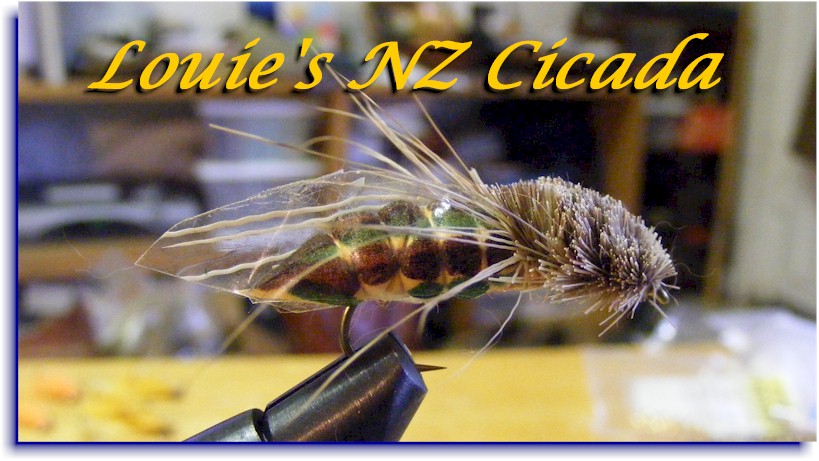
The Cicadas are coming!
Fall Favorite
Fall Favorite
Hook - Streamer style
Thread - Black
Rib - Silver embossed tinsel
Body - Blue floss
Wing - Yellow buck tail
Throat - Red hackle
Forgotten Flies - Schmookler & Sils
Labels:
bucktail,
fly pattern,
fly tying,
streamer
Subscribe to:
Posts (Atom)


.jpg)